
What Is A British Brass Band?
A British brass band is a specific ensemble, not a general term for brass players. Around thirty musicians, all brass and percussion — no woodwinds, no strings. The instrumentation has barely changed since the 1850s, which means a band in North Carolina plays the same lineup as a band in Yorkshire, and can pick up the same music.
For most American audiences, “British Brass Band” is a completely new term. J. Perry Watson, of North Carolina State University, described it as “Something old, something new, something borrowed, something blew.”
Old is the tradition, dating back to the early 1800s. It is believed that the Battle of Waterloo was the start of the brass band as we know it. New is the body of literature composed especially for the British instrumentation.
All instruments except bass trombone have music written in treble clef. Many excellent composers are writing music for the brass band, including William Himes and James Curnow. These men also represent the Salvation Army, an important part of the brass band tradition.
Borrowed is the instrumentation of the British Brass Band. According to Mr. Watson, “The rich, dark, and mellow tone quality stems from the fact that all the instruments, except the trombones, are conical bore in design, permitting the brass band to produce a most unique and different type of sound.” Basically the diameter of the tubing gets gradually larger from the mouthpiece to the bell.
Blew refers to the unique sound quality which converts players and audience alike into brass band fans.
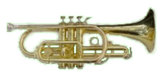
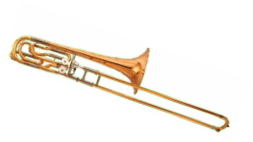
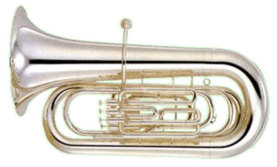
The Triangle Brass Band consists of the following brass instruments (plus percussion):




The Triangle Brass Band, founded in 1986, is among the oldest and largest Brass Band organizations in North America and is proud to support the next generation of musicians through our three youth bands and youth percussion ensemble.